Gulf Careers Hub

Staying Motivated at Work: Tips for the Last 10 Days of Ramadan

Staying Motivated at Work: Last 10 Days of Ramadan Tips

If you’re feeling the weight of these final days, you’re not alone. Many professionals in the Gulf and beyond find this stretch both rewarding and exhausting. The key is not to just “push through,” but to work with your rhythm, not against it. Here are practical, human ways to stay motivated and productive at work during the last 10 days of Ramadan, while still honouring the spiritual depth of this sacred time.

1. Rethink Your Work Rhythm: Work WITH Your Energy, Not Against It

During Ramadan, your energy isn’t a straight line—it ebbs and flows. Fighting this only leads to burnout . Instead, structure your workday around your natural peaks.

  • Mornings (after Suhoor): This is often when focus is highest. Tackle deep work, complex problem-solving, writing, or strategic planning now .
  • Late Afternoons: Energy typically dips. Switch to lighter tasks: responding to emails, updating records, or administrative work that doesn’t require heavy concentration .
  • Evenings (after Iftar): If you work remotely or have evening commitments, this can be a second wind for catching up on less urgent work or creative brainstorming .

Action Step: Look at your to-do list right now. Move your three most important tasks to your peak energy window tomorrow. Protect that time fiercely.

2. The Power of “Enough”: Set Realistic Daily Goals

Ramadan teaches us discipline, not perfection. The last 10 days are not the time for grand, sweeping work projects that require immense mental bandwidth. It’s about focus and intention .

  • Prioritise ruthlessly: Ask yourself: “What is the one thing I must accomplish today?” Focus on the 20% of tasks that deliver 80% of the results .
  • Break it down: Instead of “finish the report,” aim for “write the introduction and first section.”
  • Celebrate small wins: Checking off smaller tasks gives a dopamine hit that fuels motivation to keep going.

Action Step: Write down just three achievable work goals for today. When you complete them, allow yourself to feel good about it.

3. Fuel Smart: What You Eat Matters for Your 9-to-5

This isn’t just about spirituality; it’s biology. What you consume at Suhoor (pre-dawn meal) directly impacts your focus and energy levels during working hours.

  • Suhoor is your fuel station: Aim for slow-release energy—complex carbohydrates (oats, whole grains), protein (eggs, yoghurt), and healthy fats . This keeps you fuller longer and stabilises blood sugar.
  • Hydrate deliberately: Drink water between Iftar and Suhoor in measured amounts. If you wait until you’re thirsty, you’re already behind .
  • Manage the sugar crash: Dates are sunnah and provide quick energy, but balance them. Avoid loading up on sugary pastries and fried foods at Iftar if you have evening work—they lead to sluggishness .

Action Step: Plan your Suhoor tonight with staying power in mind. Add an extra glass of water before dawn.

4. Communicate with Your Team and Manager

You don’t have to be a silent hero. A quick, professional conversation about your capacity during these final days can make a world of difference.

  • Set expectations early: If you know your afternoons will be slower, let your manager know you’ll be focusing on deep work in the mornings .
  • Negotiate flexibility if possible: Many companies in the Gulf are understanding. Could you start earlier and leave earlier? Work from home on certain days to save commute energy? .
  • Be mindful of colleagues: If you’re not fasting, a small gesture—avoiding eating lunch at your desk in front of a fasting colleague, or scheduling meetings away from prayer times—builds immense goodwill and a supportive team culture .

Action Step: Send a brief, positive message to your manager or team letting them know your focus hours and how you plan to manage your workload this week.

5. Use Breaks to Reset, Not Just Scroll

When you’re tired, the instinct is to zone out on your phone. But a quick mental reset can be more effective than mindless scrolling.

  • Use prayer as a reset: Even a short break for prayer (or quiet reflection) can recentre your mind and reduce stress .
  • Step outside: Five minutes of fresh air and sunlight can do wonders for alertness.
  • Power nap (if possible): A 15-20 minute nap after work or during a long lunch break can recharge your brain for the evening’s worship .

Action Step: Schedule two five-minute “reset” breaks into your workday tomorrow—one mid-morning, one mid-afternoon.

6. Remember the “Why”: Career Motivation Meets Spiritual Purpose

Feeling drained? Connect your daily work to a higher purpose. This isn’t just corporate fluff—it’s a powerful motivator.

  • Your work is a form of worship: When you work with honesty, integrity, and excellence, intending to provide for yourself and your family, it becomes an act of ibadah (worship).
  • Use Laylatul Qadr for career clarity: The last 10 nights hold Laylatul Qadr, a night of decree and immense blessings. Use this time not just for spiritual duas, but to pray for clarity in your career path, for opportunities that are good for you, and for the strength to pursue them with purpose .
  • Reflect on your “why”: What motivated you to pursue your career in the first place? Reconnecting with that core purpose can reignite passion when you’re running on empty .

Action Step: Take five minutes tonight, before sleeping, to write down one career intention you want to pray for in these last 10 nights.

7. Don’t Abandon Your Job Search (Yes, Really!)

Many professionals assume hiring freezes during Ramadan. This is a myth. While some processes slow down, many companies are still actively recruiting, especially in sectors like retail, e-commerce, and logistics that gear up for Eid .

  • Less competition: Many job seekers pause their applications, meaning fewer resumes for recruiters to sift through. Your application has a higher chance of standing out .
  • HR is shortlisting: HR teams often use this time to screen candidates and schedule interviews for immediately after Eid .
  • Network strategically: A brief, respectful LinkedIn message wishing someone Ramadan Kareem and expressing interest in their company can open doors .

Action Step: If you’re job hunting, spend 30 minutes today updating your LinkedIn profile or sending out one well-crafted application. You’ll be ahead of the post-Eid crowd.

8. Prepare for Eid (A Little Bit) to Ease End-of-Month Stress

Nothing kills focus like last-minute panic. The last 10 days are for worship, but a tiny bit of planning can prevent anxiety from creeping in.

  • Outsource or defer: Can groceries be ordered online? Can non-urgent purchases wait? .
  • Finalise the big things: Decide on Eid plans, prayer location, and major menu items now, so you’re not mentally juggling logistics while trying to work and pray .

Action Step: Spend just 15 minutes this evening listing three things you can do now to make Eid week less stressful. Delegate or schedule them.

Conclusion: Finish Strong, Not Just Finished

The last 10 days of Ramadan are a gift—a chance for spiritual breakthrough and, yes, for professional focus and intention. By working with your body’s natural rhythm, communicating clearly, and connecting your daily tasks to a deeper purpose, you can navigate this period with grace and effectiveness.

You don’t have to be perfect. You just have to keep going, one intentional day at a time. May these final days bring you clarity, barakah in your work, and the fulfilment of your sincere prayers.


Frequently Asked Questions (FAQs)

1. Is it okay to take time off work during the last 10 days of Ramadan?

Yes, if possible. Many Muslims aim to take leave during the last 10 days to focus on worship, particularly for Laylatul Qadr. If your company allows, consider booking annual leave or requesting adjusted hours to balance work and spirituality .

2. How can I avoid feeling guilty about low work productivity right now?

Shift your mindset from “low productivity” to “focused productivity.” You may be doing less, but you can do it with more intention. Prioritise essential tasks, communicate with your team, and remember that rest and worship are also valid uses of your energy during this sacred time.

3. Should I continue applying for jobs during the last 10 days?

Absolutely. While response times may slow, many companies continue to accept applications and shortlist candidates for post-Eid interviews. Applying now means you’ll be ahead of the rush after Eid .

4. What are the best foods for Suhoor to sustain energy at work?

Focus on complex carbohydrates (oats, wholemeal bread), protein (eggs, yoghurt, cheese), and healthy fats (nuts, avocado). Drink plenty of water and avoid salty or sugary foods that can cause thirst and energy crashes later .

5. How can I support my Muslim colleagues during this time if I’m not fasting?

Small gestures matter. Avoid eating in front of them if possible, be flexible with meeting times around prayer breaks, and offer a genuine “Ramadan Kareem.” Your understanding creates an inclusive and respectful workplace for everyone .

Ramadan 2026: A Time for Reflection, Growth, and Career Success in the Gulf

Ramadan 2026 Career Guide | Growth & Success in the Gulf

As the crescent moon appears over the skies of the Gulf, ushering in the holy month of Ramadan 2026, millions across the region pause, reflect, and reconnect with what truly matters. For those building careers in Dubai, Riyadh, Doha, and beyond, this sacred month offers something unexpected: a unique opportunity for professional growth.

Understanding the Rhythm of Ramadan in the Gulf Workplace

Before diving into strategies, it’s essential to understand how the Gulf workplace transforms during Ramadan. Working hours typically reduce by 2-3 hours daily. The pace slows, but purpose deepens. Meetings become more efficient, distractions diminish, and a collective sense of mindfulness settles over offices from Dubai to Dammam.

This shift creates a unique professional environment. The usual rush gives way to intentionality. Colleagues break bread together at iftar. Conversations over qahwa (Arabic coffee) build bridges that formal meetings never could.

For the savvy professional, Ramadan offers a canvas to paint with deliberate strokes of growth and connection.

Five Ways to Accelerate Your Career During Ramadan 2026

1. Leverage the Slower Pace for Deep Work

With fewer meetings and reduced interruptions, Ramadan provides uninterrupted blocks of time perfect for deep, focused work. Use these hours to:

  • Tackle complex projects requiring concentration
  • Update your professional portfolio or CV
  • Complete online certifications relevant to your field
  • Strategize your next career move

The quiet focus of Ramadan mornings can yield professional breakthroughs that rushed months never allow.

2. Build Authentic Relationships Through Iftar Connections

Throughout the Gulf, iftar is more than a meal—it’s a sacred invitation. Being invited to an iftar gathering is a sign of trust and respect. These evenings offer priceless opportunities to:

  • Connect with colleagues on a human level beyond job titles
  • Network with industry peers in relaxed settings
  • Build rapport with senior leadership outside office formality
  • Strengthen relationships with clients and partners

Attend iftars with genuine presence. Listen more than you speak. Ask about families, traditions, and what the month means to them. These authentic connections often lead to opportunities months later.

3. Demonstrate Cultural Intelligence and Respect

Showing understanding and respect for Ramadan customs sets exceptional professionals apart. Simple gestures carry profound meaning:

  • Avoid eating, drinking, or smoking in front of fasting colleagues
  • Schedule meetings mindful of prayer times and energy levels
  • Learn and use basic Arabic phrases like “Ramadan Kareem” and “Mubarak Aleik al-Shahr”
  • Show flexibility and patience with colleagues observing the fast

These actions signal cultural intelligence—a highly valued trait in the Gulf’s diverse workplace. They build trust and position you as someone who genuinely belongs.

4. Reflect and Realign Your Career Path

Ramadan’s emphasis on reflection extends naturally to professional life. The month’s spiritual pause invites honest assessment:

  • Where is your current career path leading?
  • Does your work align with your values and purpose?
  • What skills should you develop in the coming year?
  • Are there changes you’ve postponed making?

Use the quiet moments of Ramadan to journal, meditate, or simply think deeply about your professional direction. Clarity gained now becomes action taken later.

5. Position Yourself for Post-Ramadan Opportunities

Many Gulf organizations announce new initiatives, projects, and even job openings after Eid. Use Ramadan to position yourself advantageously:

  • Complete pending tasks before Eid, starting the next quarter fresh
  • Express interest in upcoming projects to relevant decision-makers
  • Strengthen relationships with mentors who may advocate for you
  • Research companies and roles you’d like to pursue after the month

The professional who prepares during Ramadan is ready to move when opportunities arise in Shawwal.

Balancing Work, Worship, and Wellbeing

Career growth during Ramadan shouldn’t come at the expense of spiritual or physical health. The most successful professionals find balance:

Manage Energy, Not Just Time: Your energy naturally dips in the afternoon. Schedule demanding tasks for morning hours when focus peaks. Use post-iftar energy for planning and reflection.

Prioritize Sleep: Late nights for prayers and early mornings for suhoor require intentional rest. Short power naps (15-20 minutes) can restore focus without disrupting sleep cycles.

Stay Hydrated and Nourished: When you can eat and drink, choose foods that sustain energy—complex carbohydrates, proteins, and plenty of water. What you consume during non-fasting hours directly impacts your daytime performance.

Honor Your Limits: Ramadan is a marathon, not a sprint. Listen to your body. Adjust expectations. Excellence doesn’t require exhaustion.

What Employers Look for During Ramadan

Forward-thinking Gulf employers observe how professionals navigate Ramadan. They notice:

  • Consistency: Does your performance remain steady despite reduced hours?
  • Attitude: Do you complain about fasting colleagues or accommodate gracefully?
  • Initiative: Do you use the slower pace productively or simply coast?
  • Team Spirit: Do you contribute to iftar gatherings and team bonding?

How you show up during Ramadan often speaks louder than how you perform during the rest of the year. It reveals character, not just competence.

Preparing for Post-Ramadan Momentum

As Ramadan draws to a close and Eid approaches, shift your focus toward the opportunities ahead:

  • Set specific, measurable career goals for the next 12 months
  • Schedule follow-up meetings with connections made during Ramadan
  • Update your LinkedIn profile with any new skills or certifications
  • Research salary trends and job markets across the Gulf for the coming year

The spiritual renewal of Ramadan can fuel professional renewal. Carry the clarity, connection, and purpose you’ve gained into the months ahead.

A Personal Note on Purpose

Beyond strategies and tactics, Ramadan invites a deeper question: Why do you work?

In the Gulf’s fast-paced, ambitious environment, it’s easy to chase titles, salaries, and status. Ramadan gently asks whether your work serves a purpose larger than yourself. Does it contribute to your community? Does it honor your values? Does it leave room for what truly matters—faith, family, and fulfillment?

Professionals who can answer these questions with clarity don’t just build careers. They build lives of meaning.

Conclusion: Make Ramadan 2026 Your Launchpad

Ramadan 2026 arrives as a gift—a month of intentional slowing in a world that never stops. For professionals across the Gulf, it offers a rare chance to reflect, connect, and grow in ways that the rushed pace of ordinary months prevents.

Embrace the rhythm of the month. Honor its spiritual depth. And let it shape not just your days, but your direction.

Whether you’re in Dubai’s financial district, Riyadh’s government corridors, or Doha’s education city, may this Ramadan bring you closer to your goals—and to what matters most.

Ramadan Kareem. May it be a month of blessing, growth, and success for you and your loved ones.

Frequently Asked Questions (FAQs)

1. Is it appropriate to network during Ramadan?

Absolutely. In fact, Ramadan offers unique networking opportunities through iftar gatherings and community events. The key is approaching connections with genuine warmth and respect rather than transactional intent. Build relationships first; opportunities follow naturally.

2. How do working hours change during Ramadan in the Gulf?

Most Gulf countries reduce working hours by 2-3 hours daily for both Muslim and non-Muslim employees during Ramadan. Private sector hours typically run 9am-3pm or similar, though this varies by company. Check your organization’s specific policy.

3. Should non-Muslims fast or pretend to fast out of respect?

No. Non-Muslims are not expected to fast, and pretending to do so is unnecessary. However, showing respect by not eating, drinking, or smoking in front of fasting colleagues during daylight hours is both courteous and appreciated.

4. How can I maximize productivity during reduced Ramadan hours?

Focus on deep, priority work during morning hours when energy peaks. Minimize distractions, batch similar tasks together, and use the quieter pace for strategic thinking and planning. Quality of output matters more than quantity during Ramadan.

5. When is the best time to look for new jobs during Ramadan?

While hiring slows during Ramadan, many companies plan post-Eid recruitment drives. Use Ramadan to research opportunities, update your CV, and strengthen networks. Begin active applications in the week after Eid, when business momentum returns.

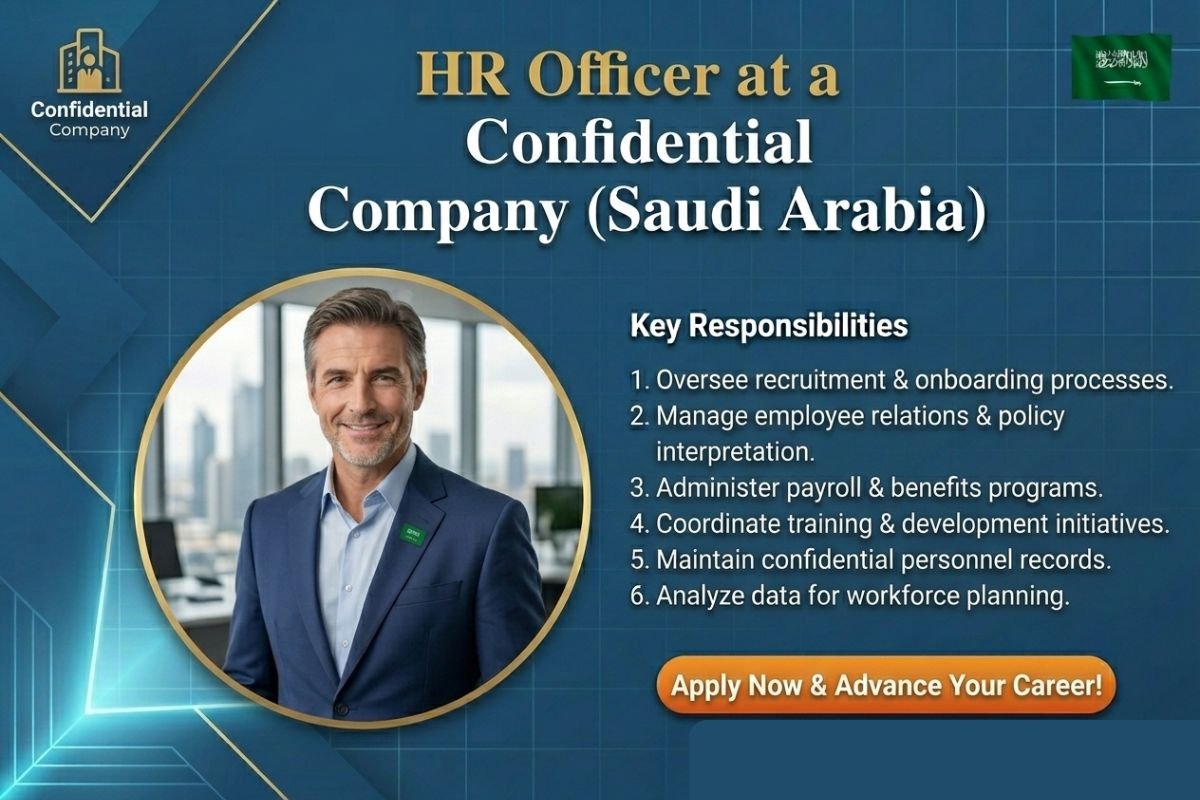
HR Officer at a Confidential Company (Saudi Arabia)

HR Officer Job in Medina - Saudi National, Labor Law & Govt Portals

A well-established organization in Medina is seeking a qualified HR professional to join its team. The company operates within a dynamic sector and is committed to maintaining full compliance with Saudi labor regulations while fostering a supportive and efficient workplace. Due to internal recruitment protocols, the company’s identity remains confidential at this stage.

Apply now

Position Overview: HR Officer

This Confidential Company is looking for a dedicated and knowledgeable Saudi national (male/female) to fill the role of HR Officer. This position is central to the smooth operation of the HR department, focusing on delivering efficient employee lifecycle management, ensuring strict compliance with Saudi Labor Law and Saudization requirements, and handling key government relations. The ideal candidate will have 2-4 years of hands-on HR experience in the Kingdom and be proficient in navigating essential government portals.

Key Responsibilities

The successful candidate will be entrusted with the following core duties across four key areas:

HR Operations & Administration:

  • Manage the full onboarding cycle, including contract issuance, probation tracking, and maintaining accurate employee records.
  • Maintain the HR Information System (HRIS) and personnel files in compliance with all legal requirements.
  • Support payroll coordination by providing accurate attendance and leave data.

Government Relations & Compliance:

  • Act as the key internal coordinator with the PRO/GRO to manage all interactions with government platforms including Qiwa, GOSI, Muqeem, and Mudad.
  • Ensure the company’s ongoing compliance with Saudi Labor Law and proactively support the achievement of Saudization (Nitaqat) targets.
  • Facilitate the processing of work permits, employee transfers, Iqama renewals, and all related regulatory documentation.

Recruitment & Saudization Support:

  • Support the end-to-end recruitment process with a focus on attracting and selecting Saudi national talent.
  • Coordinate interview schedules and facilitate the job offer process.
  • Track and report on Saudization metrics and workforce nationalization data.

Employee Relations & Engagement:

  • Serve as a point of contact for employee inquiries regarding HR policies, leave, and benefits.
  • Provide administrative support for disciplinary processes and maintain associated documentation.
  • Assist in coordinating employee engagement initiatives and performance review cycles.

Candidate Requirements (Mandatory)

Requirement CategorySpecific Qualification
NationalitySaudi National (مواطن/مواطنة سعودي) – This is a mandatory requirement.
EducationBachelor’s degree in Human Resources, Business Administration, or a directly related field.
Experience2–4 years of professional HR experience working within the Kingdom of Saudi Arabia (KSA).
Regulatory KnowledgeStrong, demonstrable knowledge of Saudi Labor Law and hands-on experience with key government portals (Qiwa, GOSI, Muqeem, Mudad).
Technical SkillsProficient in MS Office Suite and comfortable working with HR Information Systems (HRIS) .
Language SkillsStrong communication skills in both Arabic and English (written and spoken).

Ideal Candidate Profile

The ideal HR Officer for this role will be:

  • compliance-focused and detail-oriented professional who ensures all HR operations are legally sound and meticulously documented.
  • practical problem-solver who can navigate government systems efficiently and resolve employee queries with clarity and professionalism.
  • Bilingual and articulate, able to communicate policies and procedures effectively to a diverse workforce in both Arabic and English.
  • Proactive and organized, capable of managing multiple tasks related to recruitment, employee lifecycle events, and regulatory deadlines simultaneously.

Work Context & Key Systems

  • Core Focus: The role heavily emphasizes HR operations, government compliance, and Saudization, making it ideal for an HR generalist with strong administrative and regulatory expertise.
  • Key Portals: Hands-on experience with Qiwa, GOSI, Muqeem, and Mudad is not just preferred but essential for daily tasks.
  • Sector: The company operates in Medina; the specific industry will be disclosed to shortlisted candidates.

Frequently Asked Questions (FAQs)

1. Why is the company confidential?

It is common practice for companies, especially those in competitive sectors or with specific internal hiring policies, to keep their identity confidential during the initial screening phase to manage the volume of applications and maintain discretion.

2. How critical is government portal experience?

It is essential. The role involves direct coordination with PRO/GRO on these platforms. A candidate who claims to know Saudi Labor Law but has no practical experience with Qiwa, GOSI, Muqeem, or Mudad would not be suitable.

3. Is this a generalist or specialist role?

This is a true HR Generalist role with a strong operational and compliance focus. You will touch on recruitment, employee relations, and administration, but your core strength must be in ensuring everything complies with Saudi law and government systems.

4. Is this role open to both male and female candidates?

Yes. The requirement states “Saudi National” without specifying gender, and the job description uses inclusive language, indicating it is open to both.

How to Apply

If you are a Saudi national with 2-4 years of KSA-based HR experience, deep knowledge of local labor law, and proficiency in government portals, this Confidential Company in Medina encourages you to apply.

Submit your application via the official listing:
👉 Apply for HR Officer Position

Trucking & Fleet Operations Manager at Tasty Food Corporation (Saudi Arabia)

Trucking & Fleet Operations Manager Job in Jeddah

Tasty Food Corporation is a well-established player in the Saudi Arabian food industry, dedicated to delivering quality products to consumers across the Kingdom. With a focus on operational excellence and market growth, the company is now expanding its logistics capabilities and seeking a seasoned professional to build and lead its transportation department from the ground up.

Apply now

Position Overview: Trucking & Fleet Operations Manager

Tasty Food Corporation is seeking an experienced and results-driven Trucking & Fleet Operations Manager to establish and oversee its new transportation department. This is a foundational leadership role for a professional with 6+ years of experience in fleet management. You will be responsible for the entire lifecycle of the company’s trucking operations—from selecting and purchasing the right vehicles, to recruiting drivers, planning routes, managing maintenance, and ensuring full regulatory compliance. This is a unique opportunity to build a department from scratch and directly shape the logistics backbone of a growing food company.

Key Responsibilities

The successful candidate will be entrusted with the following comprehensive duties:

  • Fleet Acquisition & Setup: Select and purchase appropriate trucks based on operational needs. Complete all vehicle registration, licensing, and regulatory procedures to establish the fleet legally and operationally.
  • Team Recruitment & Management: Recruit, train, and manage drivers and operational staff, fostering a culture of safety, efficiency, and accountability.
  • Logistics Planning & Optimization: Plan and optimize transportation routes to ensure timely deliveries, minimize fuel consumption, and maximize operational efficiency.
  • Maintenance & Compliance: Oversee all fleet maintenance and fuel management programs. Ensure strict compliance with all transportation systems, safety standards, and government regulations.
  • Financial Management: Manage operational costs, prepare financial reports related to transportation activities, and ensure the department operates profitably and within budget.

Candidate Requirements

Requirement CategorySpecific Qualification
ExperienceMinimum 6+ years of experience in transportation or fleet management within Saudi Arabia or the GCC region.
Regulatory KnowledgeStrong, practical knowledge of Saudi transportation systems, regulations, and licensing procedures.
Establishment ExperienceProven track record of establishing and managing operations from scratch—including fleet procurement and departmental setup.
Leadership SkillsStrong leadership and people management abilities to recruit, motivate, and manage a team of drivers and support staff.
EducationHigh school diploma or equivalent is required. Further qualifications in logistics or supply chain management are advantageous.
Mindsetresults-oriented individual capable of taking full responsibility for the efficiency, profitability, and compliance of the entire fleet operation.

Ideal Candidate Profile

The ideal manager for this role will be:

  • foundational builder and strategic operator, excited by the challenge of creating a transportation department from zero.
  • Deeply knowledgeable about Saudi transport regulations, ensuring every aspect of the fleet is compliant and legally sound.
  • cost-conscious leader who can balance investment in trucks and people with the need for operational profitability.
  • practical problem-solver who can handle the day-to-day realities of fleet maintenance, driver management, and route optimization.

Compensation & Context

  • Salary & Benefits: Salary and benefits package is determined based on experience and qualifications.
  • Department Building: This is not just a management role; it is an entrepreneurial role within the company to build a new function.
  • Industry: Food production and distribution, requiring reliability and efficiency in the cold chain or dry goods logistics.

Frequently Asked Questions (FAQs)

1. What does “establishing the department from scratch” entail?

You will be responsible for everything from zero: selecting and purchasing the trucks, handling all registration and licensing, setting up policies and procedures, recruiting the entire team, and implementing systems for maintenance, fuel, and route planning.

2. Is procurement experience with trucks essential?

Yes. A core responsibility is selecting and purchasing the appropriate trucks. Experience in commercial vehicle procurement, understanding different truck types (reefer, box truck, etc.), and negotiating with dealers/suppliers is crucial.

3. How many years of GCC experience is preferred?

The minimum is 6+ years of experience, ideally within Saudi Arabia, to ensure you have deep knowledge of local regulations, licensing bodies (like Muroor), and the operational landscape.

4. What type of food products will the fleet handle?

This will depend on Tasty Food Corporation’s product lines. It could range from ambient dry goods to temperature-controlled products (refrigerated or frozen) requiring specialized reefer trucks and temperature monitoring.

How to Apply

If you are a seasoned fleet operations professional with a proven track record of building and managing transportation departments, and you are ready to take full ownership of a new logistics function, Tasty Food Corporation encourages you to apply.

Submit your application via the official listing:
👉 Apply for Trucking & Fleet Operations Manager Position

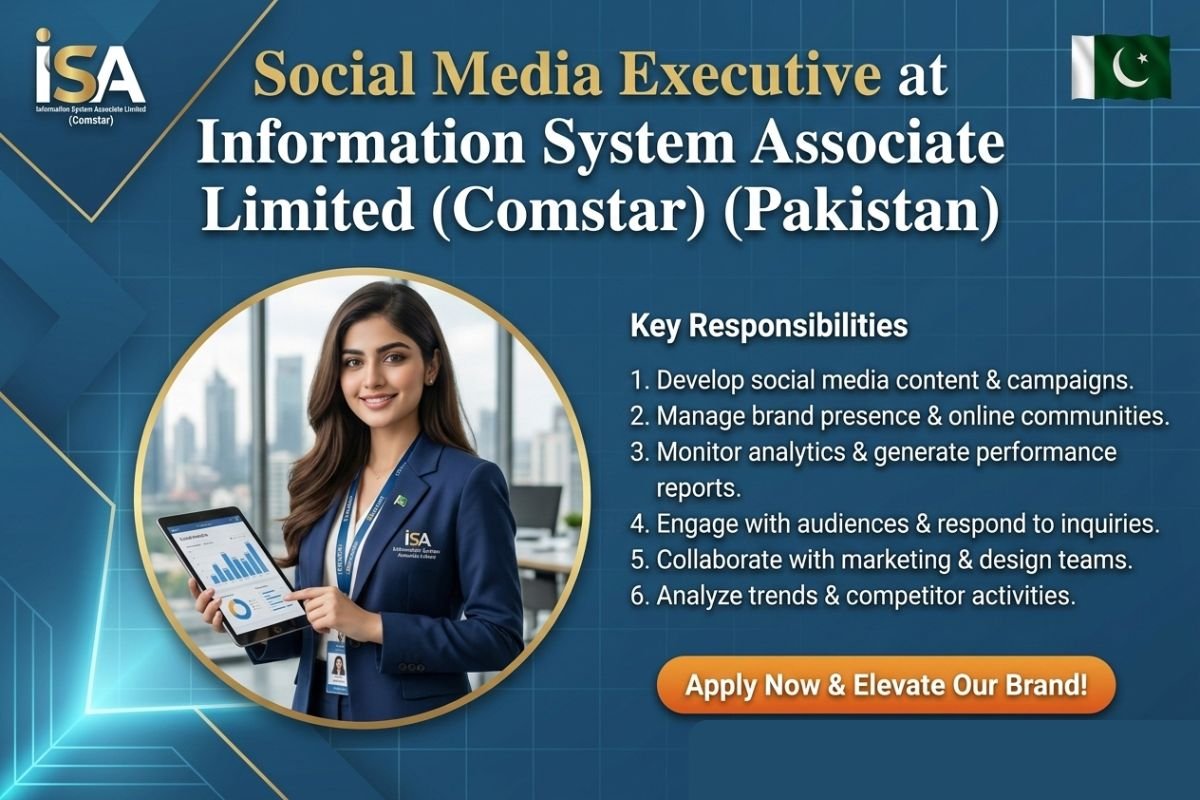
Social Media Executive at Information System Associate Limited (Comstar) (Pakistan)

Social Media Executive Job in Karachi - Comstar (Tech Sector)

Information Systems Associates Ltd. (Comstar) is a premier technology solutions provider headquartered in Karachi, with a proven track record since 1996. As a Platinum Partner for Sophos and an Elite Partner for Ruckus, Comstar specializes in designing, integrating, and commissioning complex IT and network infrastructure. The company serves a diverse clientele across Financial, Oil & Gas, Telecom, and Government sectors, offering expertise in Information Security, Software Applications, and hybrid communication solutions. With offices in Karachi, Lahore, Islamabad, and a sister concern in the USA, Comstar is at the forefront of technology integration in Pakistan.

Apply now

Position Overview: Social Media Executive

Comstar is seeking a creative and strategic Social Media Executive to join its dynamic marketing team in Karachi. This mid-career role (1-2 years experience) is designed for a digital native who can translate the company’s technical B2B expertise into compelling social media narratives. You will be responsible for developing and executing social media strategies, creating engaging multimedia content, managing paid campaigns, and ensuring brand consistency across all digital platforms. This role offers the unique opportunity to shape the digital presence of a leading technology firm.

Key Responsibilities

The successful candidate will be entrusted with the following core duties:

  • Strategy & Execution: Develop, implement, and manage comprehensive social media strategies aligned with Comstar’s business goals and brand identity.
  • Content Creation & Management: Create, schedule, and publish high-quality, engaging content including text, images, videos, stories, and reels using tools like Canva and Capcut.
  • Community Management: Monitor and actively manage company pages on key platforms (LinkedIn, Facebook, Instagram, Twitter). Engage with followers, respond to queries, and build online communities.
  • Paid Advertising & SEO: Plan, execute, and optimize paid social media advertising campaigns. Optimize social media content and website posts for SEO to improve organic visibility and reach.
  • Analytics & Reporting: Track, analyze, and report on key social media performance metrics (reach, engagement, conversions) to inform future strategies.
  • Client & Team Collaboration: Collaborate with internal design, marketing, and content teams to ensure brand consistency. This role may also involve visiting client sites and handling accounts end-to-end, bridging digital marketing with client relations.

Candidate Requirements

Requirement CategorySpecific Qualification
Experience1-2 years of proven experience in social media management, content creation, or digital marketing.
EducationBachelor’s degree in Marketing, Media, Communications, or a closely related field.
Technical SkillsProficiency in Canva and Capcut for content creation. Strong grasp of social media management and SEO principles.
Core SkillsExcellent communication and writing skills in English. Ability to manage multiple accounts and engage professionally online.
Location & ResidencyMust be based in Karachi, Pakistan.

Ideal Candidate Profile

The ideal executive for this role will be:

  • creative storyteller and content creator who can turn technical concepts into engaging social media posts and visuals.
  • strategic thinker and data-doer, equally comfortable planning campaigns and analyzing their performance.
  • proactive community manager who enjoys engaging with audiences and building brand loyalty.
  • versatile professional willing to step out of the office to visit client sites and ensure end-to-end account satisfaction.

Why Join Comstar?

  • Impactful Role: The opportunity to build and shape the digital voice of a leading, long-established technology company.
  • Diverse Exposure: Work across B2B technology sectors including Cybersecurity, Networking, and Government Infrastructure projects.
  • Professional Growth: Develop skills in both creative content and strategic B2B marketing within a supportive, experienced team.
  • Dynamic Environment: A role that blends desk-based creativity with on-site client engagement for a complete marketing experience.

Frequently Asked Questions (FAQs)

1. What platforms will I primarily manage?

You will manage company pages across key platforms including LinkedIn (primary for B2B), Facebook, Instagram, and Twitter/X. The focus will be tailored to each platform’s audience.

2. How important is video editing (Capcut) experience?

It is a key requirement. The ability to create short-form video content (reels, stories) using Capcut is essential for engaging modern audiences on social media.

3. What does “visiting client sites and handling accounts end-to-end” entail?

This means you may accompany the sales or account management team to client meetings to understand their needs, capture content, or ensure that the social/digital aspects of client campaigns are fully executed and aligned with their expectations.

4. What is the job code for reference?

Please quote the Job Code SME-0226 in your application for easier tracking.

How to Apply

If you are a creative and results-driven social media professional with 1-2 years of experience, ready to make your mark in the technology sector, Comstar encourages you to apply.

Submit your application via the official listing:
👉 Apply for Social Media Executive Position

Gulf CV Format 2026: Free Downloadable Template for UAE, Saudi & Qatar

Gulf CV Format 2026: Free Template for UAE, Saudi & Qatar Jobs

If you’re targeting a job in the Gulf region in 2026—whether in Dubai’s fast-paced private sector, Riyadh’s Vision 2030-driven projects, or Doha’s growing economy—here’s a truth you need to know: a generic CV won’t work. The Gulf job market has its own rules, expectations, and cultural nuances. Recruiters in the UAE, Saudi Arabia, and Qatar spend just seconds scanning each application, and most large companies use Applicant Tracking Systems (ATS) to filter candidates automatically .

Why the Gulf CV Format Is Different in 2026

The Gulf job market is unique. Employers here look for a blend of international expertise and local market understanding. Your CV must answer specific unspoken questions:

  • Are you serious about relocating and staying long-term?
  • Do you understand the professional culture (hierarchy, formality, relationship-building)?
  • Can you thrive in a multicultural workplace?
  • Is your experience relevant to this region? 

In 2026, with competition fiercer than ever, a tailored Gulf CV format is your non-negotiable first step.

The Essential Sections of a Gulf CV (With Examples)

Follow this section order exactly. It’s designed to satisfy both ATS software and human recruiters scanning for key information.

1. Personal Details & Professional Photo

This section must be crystal clear. Include:

  • Full Name: As it appears on your passport.
  • Professional Title: Right below your name (e.g., “Chartered Accountant | Financial Controller”).
  • Contact Information: Phone with country code (+971 for UAE, +966 for KSA, +974 for Qatar), professional email, current city of residence.
  • LinkedIn Profile URL: Ensure it’s updated and matches your CV.
  • Nationality & Visa Status: This is standard in the Gulf. State your nationality clearly. If you’re already in the region, specify your current visa status (e.g., “UAE Employment Visa – Transferable,” “Visit Visa,” “Transferable Iqama”). If outside, write “Requiring Employment Visa Sponsorship” .
  • Professional Photo: A must for most private sector roles. Use a high-quality, passport-style headshot with a plain background, formal business attire, and a neutral expression .

2. Professional Summary (Your 30-Second Pitch)

This 3-4 line summary is the most-read part of your CV. Replace the outdated “Objective” with a powerful summary that answers: Who are you? What do you offer? What’s your goal?

Formula: [Your Title] with [X] years of experience in [Industry/Key Skill] specializing in [Specific Expertise]. Proven track record of [Key Achievement with Metric]. Seeking a [Target Role] position in [Specific Gulf Country].

Example: “Results-driven Marketing Director with 10+ years of experience in the FMCG sector, specializing in digital transformation and launching brands in the Saudi market. Increased market share by 22% for a leading beverage brand. Seeking a senior leadership role within a dynamic consumer goods company in Riyadh.” 

3. Core Competencies / Key Skills (The ATS Keyword Zone)

This bullet-point list is prime real estate for keywords. Create two sub-sections:

  • Technical/Hard Skills: Software, tools, methodologies, certifications.
  • Professional/Soft Skills: Leadership, client relations, cross-cultural communication.

Pro Tip: Tailor this list for every application using keywords mined directly from the job description. This significantly boosts your ATS score .

4. Professional Experience (The STAR Method for the Gulf)

List in reverse chronological order (most recent first). For each role, include:

  • Job Title, Company Name, City/Country, Dates (Month/Year)
  • One-line company description (if not well-known)
  • Achievement-oriented bullet points using the STAR Method (Situation, Task, Action, Result), focusing on Action and Result. Start with powerful action verbs (Led, Engineered, Optimized, Increased).

Weak: “Responsible for social media accounts.”
Strong: “Grew the company’s Instagram following in the UAE by 40,000+ followers (150% increase) in 12 months through localized Arabic content and influencer partnerships, directly generating 350 qualified leads.” 

Quantify Everything: Use numbers, percentages, and monetary values. Gulf employers in construction, sales, and finance are driven by metrics .

5. Education

  • List your highest degree first.
  • Include: Degree Name, Major, University Name, Location, Graduation Year.
  • Include GPA only if impressive (3.5/4.0 or higher).
  • For fresh graduates, this section can be placed above Professional Experience .

6. Certifications & Training (Highly Valued)

The Gulf market places strong emphasis on professional certifications. List any relevant ones (PMP, CFA, ACCA, CIPD, SHRM, Google/Meta certifications, etc.) .

7. Languages

Be honest about proficiency levels: Native, Fluent, Professional Working Proficiency, Intermediate, Basic.

  • Priority Order: Arabic (any dialect) is a massive advantage, even at basic conversational level. Then English. Then other languages .

Cultural Nuances for Each Gulf Country

🇦🇪 United Arab Emirates (UAE)

  • Highlight experience in fast-paced, multicultural environments.
  • Mention any specific emirate experience (Dubai, Abu Dhabi) if relevant.
  • Private sector values agility and international exposure .

🇸🇦 Saudi Arabia (KSA)

  • Emphasize experience with Saudi Vision 2030 projects or sectors (giga-projects, tourism, renewable energy).
  • Understanding of local business culture and hierarchy is key.
  • For senior roles, mention familiarity with Saudi government portals (Qiwa, MISA, ZATCA) .

🇶🇦 Qatar

  • Post-2022 World Cup, experience in sustainability, major event management, or infrastructure is valuable.
  • Formality and respect for hierarchy are appreciated .

The 2026 ATS Survival Guide: Making Your CV Machine-Readable

Most large companies and recruitment agencies in the Gulf use Applicant Tracking Systems (ATS) to screen CVs before a human sees them. If your CV isn’t ATS-friendly, it may be rejected automatically—even if you’re qualified .

ATS-Friendly Rules:

  • Use Standard Section Headings: “Work Experience,” “Education,” “Skills.” Avoid creative labels.
  • Avoid Graphics, Tables, or Columns: They scramble ATS parsing. Stick to a simple, single-column layout.
  • Incorporate Keywords Naturally: Use keywords from the job description in your summary, skills, and experience bullets.
  • Save as DOCX for ATS: DOCX (Word) is the safest format for ATS. Simple, text-based PDFs are acceptable but not ideal. Avoid scanned or image-based CVs completely .
  • Use Standard Fonts: Arial, Calibri, Times New Roman (size 10.5–11.5).
  • Keep It Concise: Freshers: 1 page. Mid-level: 1–2 pages. Senior: 2 pages maximum .

What NOT to Include in an ATS-Friendly CV:

  • Photos (ATS ignores them; they can reduce readability)
  • Age or date of birth
  • Marital status
  • Fancy designs or colored text 

Free Gulf CV Format 2026 Template (Copy This Structure)

Common Mistakes That Reject Gulf CVs

 Using a generic, one-size-fits-all CV – The most common and fatal error .
 Spelling or grammar errors – Indicates lack of attention to detail .
 Exceeding 2 pages (unless C-suite with 20+ years) .
 Unexplained employment gaps – Be prepared to address these briefly .
 Including irrelevant personal information (age, marital status, religion) unless requested .
 Poor photo quality or casual attire .
 Unprofessional email address (e.g., “superstar99@email.com”) .

Frequently Asked Questions (FAQs)

1. Is a photo really mandatory on a Gulf CV?

For the private sector in the UAE, Saudi Arabia, Qatar, and Kuwait, yes, it is strongly expected and considered standard practice. It helps with identification and is a cultural norm. For applications in international free zones or certain multinationals, it may be slightly less critical, but including one is still the safer approach. Omit it only if the job posting explicitly says not to include one.

2. How should I list my visa status?

Be clear and concise. If you are outside the Gulf, state: “Requiring Employment Visa Sponsorship.” If you are inside the Gulf, state your current status: e.g., “Transferable Iqama (KSA),” “Employment Visa (UAE) – Transferable,” “Visit Visa – Immediate Joiner.” This is crucial information for recruiters to assess the hiring process .

3. Should I write my CV in Arabic or English?

English is the primary language of business for most multinational and large regional companies. Always submit your main CV in English. However, if you are fluent in Arabic, it is a powerful advantage—note your proficiency under “Languages.” For some government or fully local Arabic-speaking companies, you may be asked for an Arabic version separately .

4. What’s the biggest difference between a Gulf CV and a Western CV?

Three key differences: 1) The Photo is standard. 2) Personal details like nationality and visa status are included. 3) Tone and structure tend to be more formal, with greater emphasis on clear hierarchies (job titles, company prestige) and measurable achievements within a regional context. The Gulf CV format is also more accepting of a 2-page length for experienced professionals .

5. How do I handle short contract roles or freelance work common in the Gulf?

Group them strategically. Create a section titled “Consulting & Project Work (2023-2025)” and list key projects or clients as bullet points, highlighting skills and achievements. This shows continuous engagement without highlighting job-hopping, which is common in the project-driven Gulf market but can still raise questions if not presented clearly .

Final Pro-Tips for 2026

  • PDF is King for Human Readers: Save your final CV as YourName_CV_TargetJobTitle.pdf for email submissions. But keep a DOCX version ready for ATS portals .
  • Leverage LinkedIn: Your LinkedIn profile must be a 100% match to your CV. Get recommendations and share industry insights to build your professional brand .
  • The Cover Letter Still Matters: For mid-to-senior roles, a tailored cover letter (brief, formal, PDF) connecting your achievements to the company’s needs can make a significant difference .
  • Follow Up Professionally: If you don’t hear back in 10-14 days, a polite single-line follow-up email can help .

Conclusion: Your CV Is Your Ticket to the Gulf

In 2026, the Gulf job market is efficient and competitive. Your CV isn’t just a document—it’s your first impression, your ticket to an interview, and your personal marketing brochure. By following this Gulf CV format 2026, you’re not just listing your history—you’re strategically presenting yourself as the solution a Gulf-based company is looking for.

Download our free template, tailor it with your unique story, and start applying with confidence. Your next opportunity is waiting.

UK to UAE Work Visa: Complete Guide for British Professionals (2026)

UK to UAE Work Visa 2026 | Complete Guide for Brits

Dreaming of a tax-free salary, year-round sunshine, and career growth in one of the world’s most dynamic regions? You’re not alone. Over 240,000 British expats have already made the move to the UAE, drawn by opportunities in finance, tech, construction, and beyond . But before you pack your bags, there’s one crucial hurdle: navigating the UK to UAE work visa process.

Do UK Citizens Need a Visa to Work in the UAE?

Yes. While British passport holders receive a 30-day visa on arrival for tourism, this does not permit employment . To legally live and work in the UAE, you must obtain a residence visa sponsored either by a UAE employer or through one of the self-sponsored options.

Important: Arriving on a tourist visa and seeking work is common, but you must switch to a residence visa before starting employment. Working on a tourist visa is illegal and punishable under UAE law .

UK to UAE Work Visa Options for 2026

The UAE offers several pathways for British professionals. Your choice depends on whether you have a job offer, want to work freelance, or plan to invest.

1. Employment Visa (Company-Sponsored)

This is the most common route for professionals with a job offer from a UAE-based company.

  • Duration: 2 years, renewable
  • Sponsor: Your employer
  • Key requirements: Valid passport (6+ months validity), attested educational certificates, clean ACRO police certificate, medical fitness test 
  • Cost: AED 4,000–7,500 (approx. £800–1,500), typically paid by employer (employers must cover visa costs by law) 
  • Processing time: 2–3 weeks total 

Process:

  1. Employer applies for your work permit and entry permit
  2. You enter UAE on entry permit (valid 60 days)
  3. Complete medical test and biometrics
  4. Emirates ID issued
  5. Residence visa stamped (now digital, linked to Emirates ID) 

2. Green Visa (Self-Sponsored, 5 Years)

Introduced for skilled professionals and freelancers who want independence from an employer.

  • For skilled employees: Bachelor’s degree + minimum salary AED 30,000/month (approx. £6,500) 
  • For freelancers: Freelance permit from a free zone + proof of income
  • Benefits: Sponsor family, no employer dependency 

3. Golden Visa (10-Year Residency)

The gold standard for long-term stability, ideal for investors and top talent.

  • Property investors: Own property worth at least AED 2 million (£400,000+). Can be mortgaged with substantial down payment 
  • Professionals: Endorsed specialists in medicine, science, engineering, etc.
  • Benefits: 10-year renewable visa, sponsor dependents, travel freely for up to 12 months outside UAE 

4. Remote Work Visa (Virtual Working Program)

Perfect if you want to keep your UK job while living tax-free in the UAE.

  • Duration: 1 year, renewable
  • Requirements: Employment contract with overseas company (1+ year validity), minimum monthly salary USD 5,000 (£3,950) 
  • Benefits: No UAE employer needed, bring family

5. Investor/Partner Visa

For entrepreneurs setting up a business in a UAE free zone or mainland.

  • Duration: 2–3 years, renewable based on business activity
  • Requirements: Company registration, trade licence, local partner if applicable (for mainland) 

UK Document Legalisation: The Step Most People Get Wrong

Here’s the part that trips up even the most organised professionals. UAE authorities will not accept your UK degree, marriage certificate, or police check without proper legalisation .

Since the UAE is not a party to the Hague Apostille Convention, documents require an extra step: embassy attestation .

The Correct Legalisation Sequence (Do NOT Skip Steps)

StepWhat HappensWhy It Matters
1. NotarisationUK solicitor or public notary certifies your document copiesConfirms document authenticity to FCDO 
2. FCDO ApostilleForeign Office issues apostille certificateConfirms solicitor’s signature is genuine 
3. UAE Embassy AttestationUAE Embassy in London provides digital attestationNow done electronically, not physical stamps 
4. MOFA AttestationUAE Ministry of Foreign Affairs final approvalCompleted after arrival in UAE 

Key 2026 Update: The UAE Embassy in London now issues encrypted electronic PDFs with a unique verification number—no more physical stamps .

Which Documents Need Legalisation?

  • Degree certificates (highest qualification only usually sufficient, but check with employer) 
  • ACRO police certificate (must be less than 90 days old at submission) 
  • Marriage certificate (if sponsoring spouse)
  • Children’s birth certificates (if bringing family)
  • Work experience letters (sometimes required by HR) 

Warning: If your marriage certificate is laminated, the FCDO may reject it. Order a certified copy from the General Register Office instead .

Step-by-Step Timeline: Moving UK to UAE

8 Weeks Before Departure

  • Research visa options and confirm which applies to you
  • List all documents required for your specific visa
  • Apply for fresh ACRO police certificate 

7 Weeks Before

  • Gather original certificates (degree, marriage, birth)
  • Order replacement copies if originals are damaged/lost

6 Weeks Before

  • Start document legalisation (takes 7–10 working days for embassy stage) 
  • Use an FCDO-registered agent to manage the process remotely 

2 Weeks Before

  • Ensure all UK document legalisation is complete
  • Book flights (one-way if visa secured, return if still exploring)

Upon Arrival in UAE

  • Complete medical fitness test (blood work, chest X-ray)
  • Submit biometrics for Emirates ID
  • Register tenancy contract (Ejari) to open utilities
  • Open UAE bank account 

Costs Breakdown: What to Budget

ExpenseEstimated Cost (GBP)
Document legalisation (per document)£150–300
ACRO police certificate£45–75
Visa fees (if self-paying)£800–1,500
Medical test (Dubai)£70–100
Emirates ID£100–150
Health insurance (annual)£500–1,500
One-way flight£400–700
Shipping (3-bedroom house, sea freight)£2,000–6,000
Rental deposit (5–10% of annual rent)£1,500–4,000

Note: Employers typically cover visa costs for sponsored roles .

Common Mistakes That Delay Your Move

  • Wrong legalisation order: Notarisation → Apostille → Embassy. Skipping steps = rejection 
  • Expired police certificate: ACRO must be under 90 days old when submitted 
  • Unaccredited university: Check if your institution is recognised in UAE 
  • Laminated documents: FCDO may reject them—get official replacements 
  • Blurred passport scans: UAE immigration systems auto-reject poor-quality images 

FAQs: UK to UAE Work Visa

1. How long can I stay in UAE on a British passport without a visa?

British citizens receive a 30-day visa on arrival for tourism. This can be extended once for an additional 30 days. It does not permit work .

2. Can I work in Dubai with a UK remote work visa?

Yes, the UAE Remote Work Visa allows you to live in Dubai while working for a UK employer. You must prove a monthly salary of USD 5,000 (£3,950) and have a contract valid for at least one year .

3. How much does it cost to legalise UK documents for UAE?

Costs vary by provider and document type, but budget approximately £150–300 per document for the full legalisation chain (notary, FCDO, embassy) .

4. Does my UK degree need to be attested?

Yes. UAE authorities require attested educational certificates for most employment visas and for further study or professional licensing .

5. Can I sponsor my spouse and children?

Yes. Once you hold a valid UAE residence visa, you can sponsor dependents if you meet the minimum salary requirement (AED 4,000/month or AED 3,000 plus accommodation). Their marriage and birth certificates must also be fully legalised .

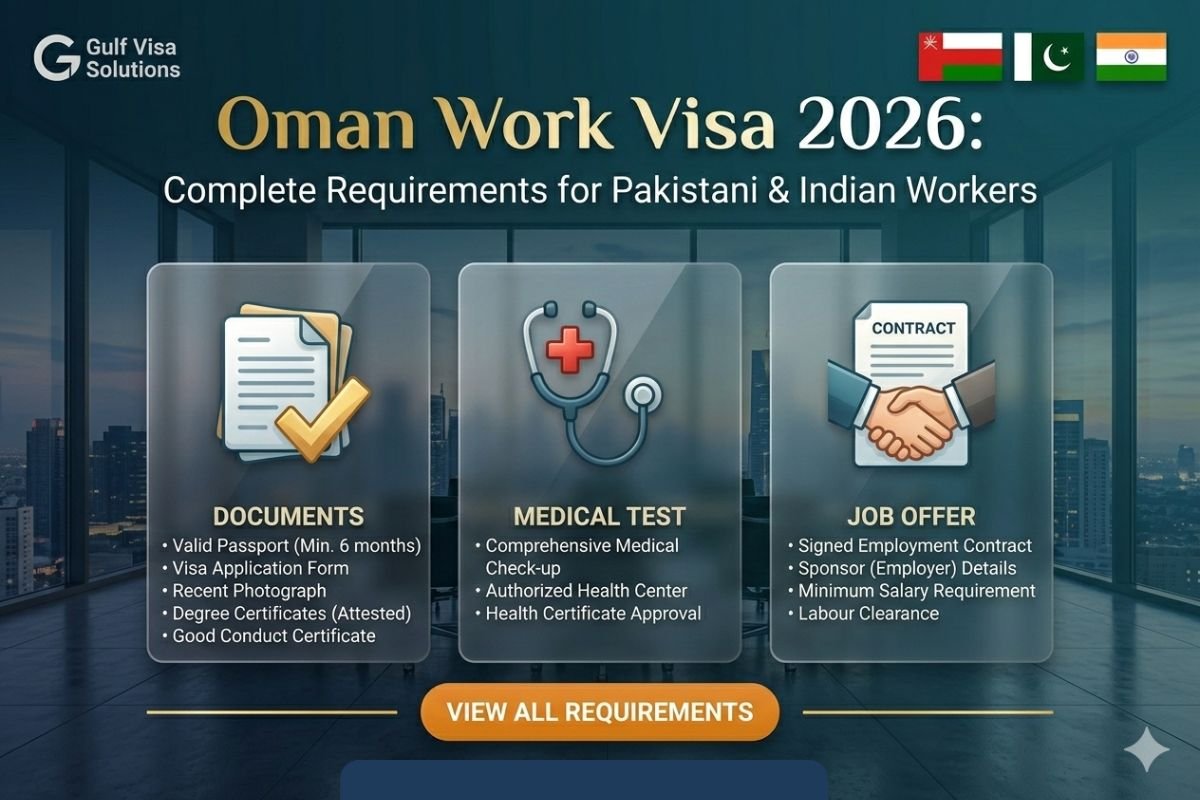
Oman Work Visa 2026: Complete Requirements for Pakistani & Indian Workers

Oman Work Visa 2026: Requirements for Pakistani & Indian Workers

Are you a skilled worker from Pakistan or India looking for better career opportunities in the Gulf? Oman has emerged as one of the most attractive destinations for expatriate workers in 2026. With tax-free salaries, a safe and stable environment, and growing demand across multiple industries, the Sultanate offers a compelling package for those seeking to build a future abroad .

Why Oman in 2026?

Oman’s economy is diversifying rapidly under its Vision 2040 plan, creating thousands of job opportunities for expatriate workers . Key sectors actively hiring foreign talent include:

  • Construction and infrastructure (massive projects across the country)
  • Healthcare (doctors, nurses, technicians)
  • Information Technology (developers, cybersecurity experts)
  • Oil and gas (engineers, technicians, specialists)
  • Logistics and transportation
  • Hospitality and tourism

For workers from Pakistan and India, Oman offers the added advantage of cultural familiarity, a significant expatriate community, and relatively straightforward visa processes compared to some other Gulf countries .

What Is an Oman Work Visa?

An Oman work visa is a legal permit issued by the Royal Oman Police (ROP) in coordination with the Ministry of Labour. It allows foreign nationals to work for a specific employer in Oman .

Key things to understand:

  • The visa is employer-specific—you cannot change jobs without canceling your current visa and applying for a new one 
  • It is typically valid for two years, aligned with your employment contract 
  • Your employer acts as your sponsor and initiates the entire application process 
  • The visa allows multiple entries during its validity period 

Eligibility Criteria for Oman Work Visa 2026

Before applying, you must meet specific requirements set by Omani authorities :

RequirementDetails
AgeBetween 21 and 60 years
Job OfferConfirmed employment from a licensed Omani company
OccupationMust be approved by the Ministry of Labour
Criminal RecordClean record with police clearance certificate
Medical FitnessPass examination at approved centers
Employer ClearanceEmployer must obtain labour clearance first

Additional requirements for certain professions:

  • Medical professionals: Approval from the Ministry of Health
  • Teachers: Approval from the Ministry of Education
  • Engineers: Letter from the Ministry of Manpower 

Documents Required for Oman Work Visa

Proper documentation is critical. Missing or incorrect paperwork is the leading cause of visa delays and rejections .

For All Applicants:

  • Valid passport with at least six months’ validity beyond your intended stay 
  • Recent passport-sized photographs (white background, typically 6×4 cm) 
  • Signed employment contract between you and your Omani employer 
  • Medical fitness certificate from an approved medical center 
  • Police clearance certificate from your home country (Pakistan or India) 
  • Attested educational certificates and professional qualifications 

For Pakistani Workers Specifically:

  • Protector of Emigrants (POE) clearance – Mandatory before traveling 

For Indian Workers Specifically:

  • Attestation from Ministry of Foreign Affairs and the Oman Embassy in India 

Documents Your Employer Provides:

  • Labour license issued by the Ministry of Labour 
  • Commercial registration certificate of the company
  • Specimen signature card (for authorized signatories) 

Important: All non-Arabic and non-English documents must be translated and attested by authorized officials .

Types of Work Visas in Oman

Depending on your employment situation, you may apply for one of these visa types :

Visa TypeDescriptionValidity
Standard Work VisaFor long-term employment; requires labour permit2 years
Temporary Work VisaFor short-term projects or contracts4–9 months
Employment Contracting VisaFor jobs requiring initial government testingVaries
Specialized Profession VisaFor highly specialized roles (medicine, engineering, IT)2 years

Step-by-Step Application Process

The application process follows a clear sequence. Your employer handles most steps, but you must provide accurate documents promptly .

Step 1: Secure a Job Offer

Receive and sign a formal employment contract from a registered Omani company. Ensure the job title matches your qualifications—Omani authorities verify this .

Step 2: Employer Obtains Labour Clearance

Your employer applies to the Ministry of Labour for approval to hire a foreign worker. The employer must demonstrate that no suitable Omani national is available for the role .

Step 3: Document Preparation

Gather all required documents and ensure proper attestation:

  • Educational certificates attested by the Oman Embassy in your home country
  • Police clearance certificate obtained from local authorities
  • Medical tests completed at approved centers 

Step 4: Visa Application Submission

Your employer submits the visa application to the Royal Oman Police (ROP) via the eVisa portal or at a local ROP office. The application must include all your documents .

Step 5: Visa Approval and Stamping

Once approved, the visa is stamped in your passport or issued electronically. Your employer receives it and forwards it to you .

Step 6: Travel to Oman

With your visa approved, you can travel to Oman. Carry copies of your:

  • Employment contract
  • Medical certificate
  • All supporting documents 

Step 7: Resident Card Registration

Within 30 days of arrival, you must apply for a Resident Card (Civil ID) at the Civil Status Department of the Royal Oman Police . This card is essential for:

  • Legal residence
  • Opening a bank account
  • Sponsoring family members later 

Step 8: Start Work

Once you have your Resident Card, you can legally begin employment under your sponsor company, in full compliance with Oman Labour Law .

Visa Fees and Processing Time

Fees:

Visa TypeFee (OMR)Approx. in PKRApprox. in INR
Standard Work Visa20–50 OMRPKR 15,000–38,000₹4,350–10,850
Temporary Work VisaVariesVariesVaries

Fees are subject to exchange rate fluctuations .

Processing Time:

  • Typical processing: 2 to 4 weeks after complete submission
  • Can take up to: 6 weeks depending on document verification and workload 

Factors affecting processing time:

  • Completeness and accuracy of documents
  • Your nationality
  • Current workload at Ministry of Labour and ROP 

Important Regulations for Work Visa Holders

Understanding Oman’s labour laws protects you from legal issues :

Work Restrictions:

  • You can only work for the employer who sponsored your visa
  • Changing jobs requires your current employer’s consent and a new visa 

Overstaying:

  • Overstaying your visa or working illegally can result in:
    • Heavy fines
    • Deportation
    • Future entry bans 

Family Sponsorship:

  • Once you have your Resident Card and meet minimum salary requirements, you can sponsor your spouse and children for Family Joining Visas 

Visa Renewal:

  • Your visa can be renewed before expiry through your employer
  • Renewal requires continued employment and compliance with all conditions 

Common Reasons for Visa Rejection

Avoid these pitfalls :

ReasonHow to Avoid
Incomplete documentationDouble-check requirements before submission
Medical test failureComplete tests early and address any health issues
Criminal recordObtain and verify your police clearance
Job title mismatchEnsure visa matches your labour permit occupation
Past immigration violationsClear any previous issues in GCC countries
Employer issuesVerify your employer’s registration and financial standing

Tips for a Smooth Application

For Pakistani Workers:

  • Obtain POE clearance before traveling—this is mandatory 
  • Verify your employer through official channels to avoid scams
  • Keep certified copies of all documents

For Indian Workers:

  • Get medical tests at approved centers only
  • Ensure all certificates are properly attested by the Oman Embassy in India 
  • Keep digital and physical copies of everything

For All Applicants:

  • Never start work without a valid visa – It’s illegal and can lead to deportation 
  • Verify your employer – Check their commercial registration with Oman’s Ministry of Commerce 
  • Keep copies – Maintain copies of your passport, visa, contract, and resident card
  • Know your rights – Familiarize yourself with Oman Labour Law regarding working hours, overtime, and leave 

Frequently Asked Questions (FAQs)

1. How long does it take to get an Oman work visa from Pakistan or India?

The complete process typically takes 2 to 6 weeks from the time your employer submits the application. Factors affecting timeline include document verification, medical test scheduling, and current workload at Omani ministries .

2. Can I change employers while on an Oman work visa?

Yes, but you need your current employer’s consent through a No-Objection Certificate (NOC) and a new visa application from your new employer. You cannot legally work for a new sponsor until this process is complete .

3. Is the Oman work visa fee refundable if my application is rejected?

No, visa fees are generally non-refundable, even if your application is rejected. This makes it essential to ensure all documentation is correct before submission .

4. Can I bring my family to Oman on a work visa?

Yes, once you have obtained your Resident Card (Civil ID) and meet minimum salary requirements, you can apply for Family Joining Visas for your spouse and children .

5. What medical tests are required for the Oman work visa?

Applicants must undergo testing for infectious diseases including tuberculosis, HIV, and hepatitis. Tests must be conducted at government-approved medical centers in your home country or upon arrival in Oman, depending on your nationality .

Gulf Jobs 2026: Complete Guide to UAE, Saudi & Qatar Opportunities

Gulf Jobs 2026: UAE, Saudi & Qatar Career Opportunities Guide

The Gulf region is entering 2026 with remarkable momentum. Projected GDP growth of 4.5-4.6% across the GCC, combined with ambitious diversification programs, is creating a wealth of opportunities for job seekers . Whether you’re targeting Dubai’s dynamic private sector, Riyadh’s giga-projects, or Doha’s expanding energy sector, understanding the landscape is your first step toward success.

The Big Picture: Gulf Job Market 2026

The Gulf job market is characterised by selective, skills-based hiring rather than broad headcount expansion . Employers are becoming more strategic, prioritizing roles that deliver tangible business value and contribute to organizational transformation.

Key Market Indicators

Metric2026 Outlook
GCC GDP Growth4.5-4.6% 
UAE Hiring Growth (Q3 2025)3% 
Saudi Hiring Growth (Q3 2025)1.5% 
Qatar Hiring Growth (Q3 2025)0.5% (accelerating) 
Employers Increasing Headcount66% 
Organizations Reporting Skills Gaps90% 

The fundamental reality of 2026 is this: demand for talent significantly exceeds supply. With 90% of organizations reporting skills shortages, qualified professionals—particularly those with digital, technical, and leadership capabilities—are in the driver’s seat .

Country-by-Country Breakdown

UAE: The Diversified Powerhouse

The UAE remains the region’s most diversified economy, with hiring momentum across multiple sectors. In Q3 2025, the UAE led GCC hiring growth at 3% . The economy grew by roughly 4% in 2025 and is expected to accelerate to 4.5% in 2026, primarily driven by non-oil sectors such as finance, technology, and professional services .

Workforce growth has risen by 9%, while new business formations are up 14%, reflecting a vibrant and expanding economy . Over half of the UAE workforce now consists of youth talent, highlighting the critical role of younger professionals .

Salary Forecast 2026: Average increase of 4.1% .

Top Hiring Sectors:

  • Technology and AI
  • Banking and Finance
  • Real Estate and Construction
  • Logistics and Supply Chain
  • Healthcare
  • Sales and Marketing 

Emiratisation Update: Targets for skilled roles have increased to 10% , with 42% of organizations planning to grow Emirati headcount in 2026 .

Saudi Arabia: The Giga-Project Giant

Saudi Arabia is undergoing the most dramatic transformation in the region. With projected GDP growth and massive investment under Vision 2030, the Kingdom offers unprecedented opportunities—particularly for those in construction, engineering, and project management.

Hiring Momentum: Recorded 1.5% growth in Q3 2025, with employment growth estimated at roughly 4.5% for full-year 2025 . Long-term demand remains elevated, with projections pointing to the need for hundreds of thousands of additional workers by 2030 .

Salary Forecast 2026: The highest average increase in the GCC at 4.6% .

Top Hiring Sectors:

  • Construction and Infrastructure
  • Engineering (all disciplines)
  • Project and Program Management
  • Technology and Digital Transformation
  • Healthcare
  • Tourism and Hospitality 

Saudisation Update: 93% of employers currently employ Saudi nationals, and 75% plan further increases in 2026 .

Qatar: The LNG Powerhouse

Qatar’s job market is poised for acceleration as major LNG expansion projects move forward. While Q3 2025 hiring grew at a modest 0.5%, significant workforce expansion from LNG projects is anticipated in 2026 .

Salary Forecast 2026: Average increase of 4.3% .

Top Hiring Sectors:

  • Oil and Gas (particularly LNG)
  • Construction (post-World Cup legacy projects)
  • Hospitality and Tourism
  • Healthcare
  • Education 

Bahrain and Oman: Accessible Alternatives

Both Bahrain and Oman offer competitive options for job seekers, particularly those targeting specific sectors or seeking more affordable living costs.

Bahrain:

  • Salary increase forecast: 4.3% 
  • Fastest visa conversion process in the region (3-10 days) 
  • Strong in financial services, sales, and hospitality

Oman:

  • Salary increase forecast: 4.3% 
  • Focus on logistics, tourism, and manufacturing under Vision 2040
  • Straightforward internal visa conversion (10-25 days) 

High-Demand Jobs and Skills for 2026

The Digital Skills Gap

Digital jobs represent only 1.7% of the GCC workforce compared to 5.4% on average in European Union countries—a substantial gap that underscores significant room for growth . Perhaps more striking: 93% of the digital workforce consists of graduates from foreign universities . This dependence on expatriate talent means international professionals with digital expertise will continue to be in high demand.

Fastest-Growing Roles

Role CategoryGrowth Rate (2024-25)
Data Scientists43% 
AI Product Managers37% 
AI Engineers31% 
Software DevelopersStrong demand 

UAE leads globally in AI hiring growth, rising to 48% in 2024–25 .

Sectors with Strongest Demand in 2026

  1. Technology: AI, data science, cybersecurity, cloud infrastructure
  2. Engineering: All disciplines, particularly for project delivery
  3. Banking and Finance: Especially compliance, risk, and digital banking
  4. Sales and Marketing: Revenue-generating roles at premium
  5. Construction and Real Estate: Project managers, commercial managers, design managers 

Skills Employers Prioritize

  • Digital and AI capabilities 
  • Leadership and management 
  • Project management 
  • Analytical skills 
  • Revenue generation and commercial acumen 
  • Technical depth in engineering and IT 

Salary Guide 2026: What You Can Expect

UAE Banking Sector (Monthly, AED)

RoleSalary Range
Head of Wholesale Banking (EVP)110,000 – 240,000
Head of Consumer Banking (EVP)110,000 – 180,000
Investment Banking MD100,000 – 180,000
Investment Banking Analyst32,000 – 45,000
Compliance Head70,000 – 120,000
Chief Risk Officer85,000 – 180,000

Source: Gulf Business 

UAE Sales & Marketing (Monthly, AED)

RoleSalary Range
CEO100,000 – 160,000
CMO80,000 – 130,000
Regional Sales Director55,000 – 85,000
Marketing Director55,000 – 100,000
Business Development Executive10,000 – 30,000

Source: Gulf Business 

Oil & Gas Sector

Salaries vary significantly based on role, experience, and project complexity. Packages typically include:

  • Tax-free base salary
  • Accommodation or housing allowance
  • Transport allowance
  • Medical coverage
  • Rotation benefits (for offshore) 

Important Context: Pay Stagnation for Some

Despite strong demand, over 30% of professionals in construction and real estate received no pay rise in 2025 . Salary growth for most roles is expected in the 0-5% range , with 60% of professionals feeling their pay doesn’t match responsibilities . This disconnect is driving high workforce mobility—98% of surveyed professionals are open to new roles in 2026 .

AI’s Impact on Gulf Jobs

AI adoption is accelerating rapidly across the Gulf. Key findings:

  • 66% of professionals already use AI regularly at work 
  • 43% of companies plan to replace some roles with AI, targeting:
    • Operations and back-office positions (58%)
    • Entry-level roles (37%) 

This doesn’t mean job losses—it means job transformation. Professionals who embrace AI as a tool to enhance productivity and creativity will be best positioned .

Visa and Residency Options 2026

Converting Visit Visas to Work Visas

One of the most significant developments for job seekers is the ability to enter the Gulf on a visit visa and convert to a work visa without leaving the country. All major GCC states now offer this pathway .

CountryConversion TimeNotes
UAE7-21 daysFastest in region; must not overstay 
Saudi Arabia15-45 daysSome categories may require exit 
Qatar10-30 daysStrict medical requirements 
Oman10-25 daysStraightforward process for skilled pros 
Bahrain3-10 daysFastest in GCC 

Long-Term Residency (Golden Visas)

Every GCC country now offers some form of long-term residency allowing foreigners to live, work, and invest without a local sponsor .

UAE Golden Visa:

  • 5 or 10-year renewable residency
  • Eligibility: Property investment (Dh2M+), skilled professionals (salary Dh30,000+), entrepreneurs, investors, exceptional talent
  • Benefits: Sponsor-free, family sponsorship, access to services 

Saudi Premium Residency:

  • Permanent (SR800,000 one-time) or annual (SR100,000) options
  • Talent route for specialists meeting benchmarks 

Qatar Residence by Investment:

  • 5-year permit: ~$200,000 property investment
  • Permanent: ~$1 million (quota-restricted) 

Practical Tips for Job Seekers

1. Target High-Demand Skills

If you’re in technology, data, AI, engineering, or project management, your skills are in short supply. Highlight these capabilities prominently .

2. Understand Localization Context

Nationalization targets (Emiratisation, Saudisation) are real and growing. In the UAE, skilled role targets have reached 10%; in Saudi, 75% of employers plan further increases . This creates opportunities for nationals but also demand for expat specialists where local talent isn’t yet available.

3. Be Prepared to Move

With 98% of professionals open to new roles, the market is highly mobile . If your current employer isn’t meeting your expectations in terms of salary, growth, or work-life balance, 2026 is a favorable year to explore options.

4. Consider the Full Package

Salary isn’t everything. Benefits like accommodation, transport, education allowances, and flexible working arrangements can significantly impact your quality of life. Nearly half of professionals rank time-off and flexible working as their most valued benefits .

5. Leverage the Visit-to-Work Visa Pathway

If you’re serious about working in the Gulf, consider entering on a visit visa and job hunting on the ground. The ability to convert without leaving makes this a viable strategy in 2026 .

Conclusion

The Gulf job market in 2026 offers exceptional opportunities for skilled professionals, particularly those in technology, engineering, project management, and revenue-generating roles. With projected GDP growth of 4.5-4.6%, 66% of employers increasing headcount, and persistent skills shortages across critical sectors, the conditions favor qualified candidates .

Success requires strategic positioning: develop in-demand skills, understand the unique characteristics of each Gulf market, and be prepared to navigate a competitive but rewarding landscape. Whether you’re targeting the UAE’s diversified economy, Saudi Arabia’s transformative giga-projects, or Qatar’s expanding LNG sector, 2026 is shaping up to be a year of significant opportunity.

Start your research, update your skills, and take the first step toward your Gulf career today.

Frequently Asked Questions (FAQs)

1. Which Gulf country offers the highest salaries in 2026?

Saudi Arabia is projected to offer the highest average salary increase in 2026 at 4.6%, followed closely by Qatar and Oman at 4.3%, and the UAE at 4.1% . For specific roles, the UAE often leads in banking and sales compensation, while Saudi offers premium packages for senior project and development roles tied to giga-projects.

2. What are the most in-demand jobs in the Gulf for 2026?

Technology roles (AI, data science, software development) lead demand, followed by engineering (all disciplines), project management, sales and marketing, and banking/finance roles . Digital specialists are particularly scarce, with digital jobs representing only 1.7% of the GCC workforce .

3. Can I enter on a visit visa and find a job in the Gulf?

Yes. All major GCC countries (UAE, Saudi Arabia, Qatar, Oman, Bahrain) now offer pathways to convert visit visas to work visas without leaving the country . Processing times range from 3 days (Bahrain) to 45 days (Saudi Arabia), making this a viable job-seeking strategy in 2026.

4. How much salary increase should I expect when switching jobs?

While averages vary by sector and role, 58% of professionals received pay increases in 2025 . However, 30% of construction and real estate professionals received no increase . The key is researching market rates for your specific role using resources like the Hays GCC Salary Guide and negotiating based on your unique skills and experience.

5. Are there long-term residency options for expats in the Gulf?

Yes. Every GCC country now offers some form of long-term residency (Golden Visa or Premium Residency) that allows foreigners to live, work, and own businesses without a local sponsor . The UAE offers 5-10 year visas for investors, skilled professionals, and exceptional talent. Saudi offers permanent and annual renewable options. Qatar, Bahrain, and Oman have similar programs with varying investment thresholds.

Post a Job Opening

Fill in the details below. Your job posting will be reviewed by our team.

Basic Information

Specify years of experience required

Location & Salary

Qualifications & Skills

Specify educational requirements
Separate skills with commas

Company Details

Job Details

Contact Information