The glimmering skyline of Dubai had always been a beacon on my career horizon. Like countless professionals from South Asia, I dreamed of building a life and career in the UAE—a land of tax-free opportunity, unparalleled growth, and cultural dynamism. However, the path was shrouded in warnings about exorbitant agent fees, complex visa processes, and worst of all, pervasive scams. Determined to take control of my destiny, I made a pivotal decision: I would secure a UAE job entirely on my own, without a recruitment agent. This is the story of my six-month journey from hopeful applicant to a proud Dubai resident working in a leading tech firm.
The Starting Point: A Mix of Ambition and Apprehension
My background was in digital marketing, with eight years of experience split between multinational agencies and in-house roles in my home country. While my CV was strong, the Gulf market felt like a different planet. The common narrative was that you needed an agent to navigate the hidden job market and “manage” the visa process. The quotes I received from agents were staggering—often demanding a fee equivalent to one or two months of my future salary. More concerning were the horror stories from friends who had paid but received fake offers or radio silence.
I decided the risk and cost were too high. In January 2023, I launched “Project Dubai: Direct Hire.” My mantra was simple: If my skills were truly valuable, I should be able to sell them directly to an employer.
Phase 1: The Strategic Foundation (Months 1-2)
I knew a generic approach would fail. The Gulf market receives thousands of applications daily. I had to be strategic.
Step 1: The Gulf-Specific CV Overhaul
My first act was to bury my old CV. I created a new one tailored for UAE recruiters:
- Format: Clean, two-page, professional. No photo, no personal details (age, marital status).
- Headline: “Senior Digital Marketing Manager | Driving Growth in B2B SaaS & E-commerce | Seeking Role in Dubai, UAE.”
- Professional Summary: A powerful three-line pitch highlighting my years of experience, key achievements (with metrics: “+150% lead growth,” “-30% CAC”), and my clear objective.
- Achievement-Oriented Bullets: Every point under my work experience started with a verb and ended with a number. I translated my local brand experience into universal digital KPIs.
- Skills Section: I front-loaded keywords: “SEO/SEA,” “Google Analytics 4,” “Marketing Automation (HubSpot, Marketo),” “CRM Strategy.”
Step 2: The LinkedIn Transformation
I treated my LinkedIn profile as my primary digital storefront.
- I updated my headline and summary to mirror my CV.
- I changed my location to “Dubai, United Arab Emirates” and turned on the “Open to Work” feature (visible only to recruiters).
- I began posting weekly commentary on global marketing trends, tagging articles from Gulf-based publications like Gulf Marketing Review.
- I meticulously followed the LinkedIn pages of my target companies: major retail conglomerates, tech startups from Dubai Internet City, and hospitality groups.
Step 3: Target List Creation
I avoided the spray-and-pray method. I researched and built an Excel sheet of 50 target companies. They were a mix:
- Homegrown Giants: Like Emirates, Emaar, and Chalhoub Group.
- Regional HQs of Multinationals: Such as Google MENA, Amazon.ae, and Meta.
- High-Growth Tech Startups: I scoured platforms like Wamda and MAGNiTT for funded startups in Dubai.
Phase 2: The Active Hunt & First Hurdles (Months 3-4)
With my materials ready, I began applying in early March.
The Application Process:
- Platform of Choice: LinkedIn Jobs was my primary weapon. I used filters for “Marketing” and “Dubai.” I also set up daily alerts on Bayt.com and GulfTalent.
- Direct Career Pages: For my top 20 companies, I went directly to their “Careers” page and applied, even if the same role was on LinkedIn.
- The Cover Letter Gambit: For each application, I wrote a 4-5 line cover note in the email/LinkedIn message. It was not a full letter but a hook: “Dear [Hiring Manager], My 8 years of experience scaling digital revenue for B2B brands aligns directly with your need for a Growth Marketing Lead, as seen in your job ad. I have specific ideas for market penetration in the GCC, which I’d welcome the chance to discuss.”
The Initial Silence & Learning:
April was tough. Out of ~70 applications, I received only 3 automated rejections. The silence was deafening. I realized two things:
- My applications were likely getting lost in the ATS (Applicant Tracking System) of large firms.
- I was competing during a slower period (just before Ramadan).
I doubled down on networking. I started connecting with Marketing Directors and Talent Acquisition Specialists at my target companies on LinkedIn. My connection request was never generic: “Hi [Name], I’ve been following [Company]’s work in [specific campaign/area] and am deeply impressed. As a fellow digital marketer focused on the GCC, I’d be grateful to connect.” A 10% connection rate felt like a victory.
Phase 3: The Breakthrough & Interview Marathon (Month 5)
In mid-May, the momentum shifted. Ramadan had ended, and hiring managers were back.
The First Interview Call:
I received a LinkedIn message from an in-house recruiter at a well-known Dubai-based e-commerce platform. They had found my profile via search. The first call was a 30-minute screening. The recruiter was pleasantly surprised I was applying directly and asked pointed questions about my visa status. I was transparent: “I require employer-sponsored work visa, and I have already begun the process of attestation for my documents to ensure a swift transition should we move forward.” This professionalism scored points.
Over the next two weeks, I had a total of four interviews with this company:
- Recruiter Screening
- Hiring Manager (Head of Marketing) – A deep dive into my strategic approach.
- Case Study Presentation – I was given 48 hours to prepare a go-to-market plan for a new product category in KSA.
- Final round with the Director of Commercial – A culture and values fit discussion.
Parallel Tracks:
While this process unfolded, two other applications also moved to first-round interviews—one with a fintech startup and another with a consulting firm. Having multiple irons in the fire boosted my confidence immensely.
Phase 4: The Offer, Visa, and Relocation (Month 6)
In early June, the e-commerce company made an offer. The package was competitive: a tax-free monthly salary, a generous housing allowance, annual flight tickets, and health insurance. Crucially, they covered all visa processing costs.
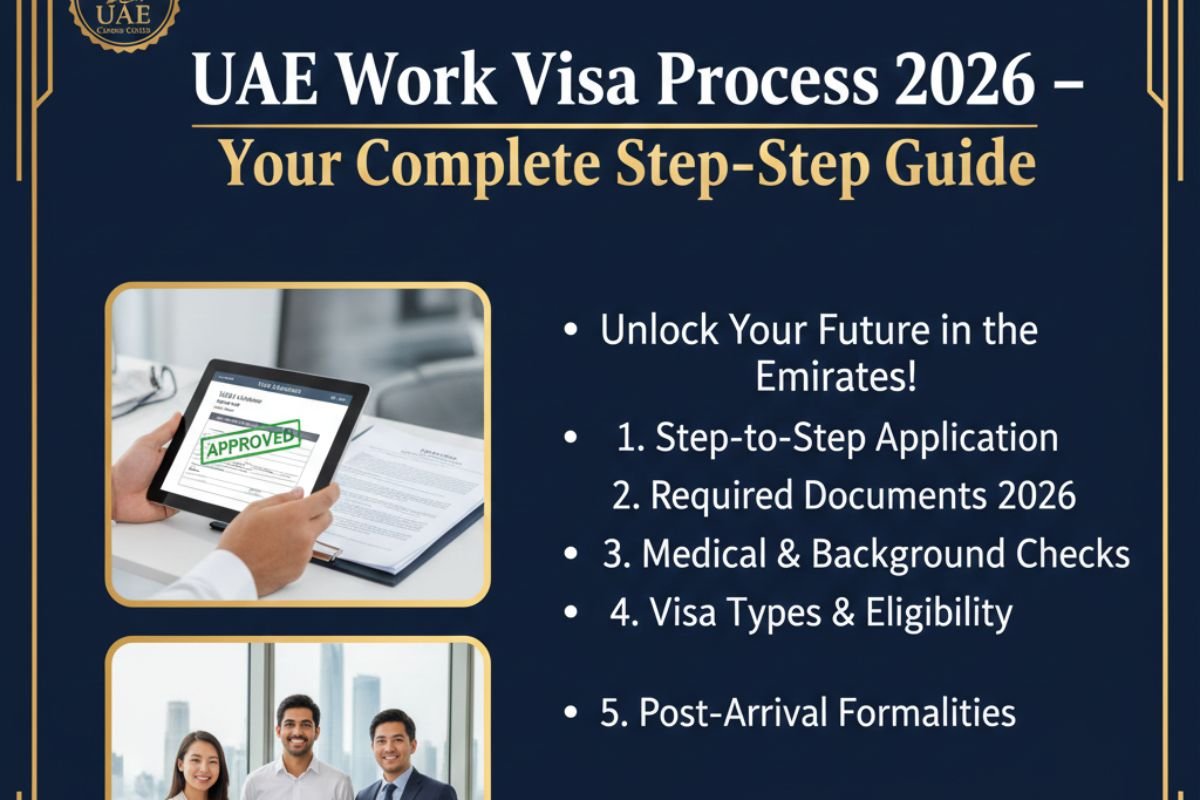
The Visa Process (My Direct Experience):
- Signed Contract: I signed and returned the digital employment contract.
- Document Attestation: While the employer initiated the work permit, I simultaneously used a reliable attestation service in my home country. My degrees were attested by my Foreign Ministry and the UAE Embassy. This took 3 weeks.
- Entry Permit: The company’s PRO sent me the electronic Entry Permit via email.
- Visa Stamping: I booked an appointment at the VFS Global center (the UAE’s visa service partner) in my city. Submitted my attested documents, passport, and permit. Received my passport back with the Employment Visa sticker in 5 working days.
- The Move & Final Steps: I booked my flight (reimbursed later). Within a week of landing, I completed my medical test at an authorized center in Dubai. Two weeks later, I had my Emirates ID in hand. The company’s HR guided me at every step; it was seamless because my documents were perfect.
Key Takeaways & Lessons for Your Journey
- The Agent is Not a Gatekeeper: The job market is transparent for skilled professionals. Companies want the best talent, not the talent that came through a paid middleman.
- Your Online Profile is Your Agent: A polished, active, and keyword-optimized LinkedIn profile is the single most powerful tool. Recruiters do search.
- Document Readiness is Non-Negotiable: Starting attestation early signals supreme preparedness to employers and slashes weeks off your start date.
- Persistence and Patience are Currency: The process takes 4-6 months minimum. You must manage emotions and maintain a steady, professional output.
- Transparency Builds Trust: Being upfront about visa needs and showing you understand the process makes you a lower-risk, more attractive hire.
Conclusion: The Power of Self-Reliance
Today, as I look out from my Dubai Marina apartment towards the Burj Khalifa, the journey feels surreal. I didn’t just save the equivalent of a month’s salary in agent fees; I gained something far more valuable: the confidence that I navigated one of the world’s most competitive job markets on my own merit.
The path to a Gulf job without an agent is not a hidden secret—it’s a clear, professional pathway built on preparation, strategy, and the courage to present your value directly. If you have the skills, the will to prepare meticulously, and the patience to persist, the skyline can be yours too.
Frequently Asked Questions (FAQs)
1. Wasn’t it risky to start document attestation before having a visa?
It was a calculated risk, but one based on strong signals (advanced interview stages). More importantly, you can and should start the initial stages of attestation (notarization, home country Foreign Ministry attestation) as soon as you begin your serious job search. The final step (UAE Embassy attestation) requires an offer or visa paper, but having the first steps done saves 2-3 weeks. It also demonstrates remarkable initiative to a potential employer.
2. How did you handle the question “Are you in Dubai currently?” in interviews?
I was always honest. My response was: “I am currently based in [Home Country] and applying remotely. I understand the full visa sponsorship process and am 100% committed to relocating upon receiving an offer. My documents are in order for a swift transition.” This showed I was serious and had done my homework. Many companies are adept at remote hiring for overseas talent.
3. What was the biggest challenge you faced during the direct application process?
The total silence after the initial application wave was the biggest psychological challenge. It’s easy to feel your CV is disappearing into a void. Overcoming this required shifting my mindset from a passive applicant to an active networker and content creator. Engaging with industry content and connecting with professionals made the wait feel productive and kept me visible.
4. Did you ever feel pressured to just use an agent to speed things up?
Absolutely. During the quiet weeks of April, doubts crept in. Scrolling through forums filled with agent advertisements made me question my strategy. However, speaking with a few friends who had succeeded directly (and some who had been scammed by agents) reaffirmed my resolve. I viewed the time invested as an alternative “payment”—instead of money, I was paying with research and effort.
5. What is your one piece of advice for someone starting this journey today?
Invest a week, before you even apply, in perfecting your LinkedIn profile and CV for the Gulf market. This is not a minor tweak. Research the exact job titles used in the UAE for your role, identify the key skills in demand, and mirror that language precisely. This foundational step will make every application you submit 10x more effective. Your profile is your 24/7 representative; make it impossible for a recruiter to scroll past.