
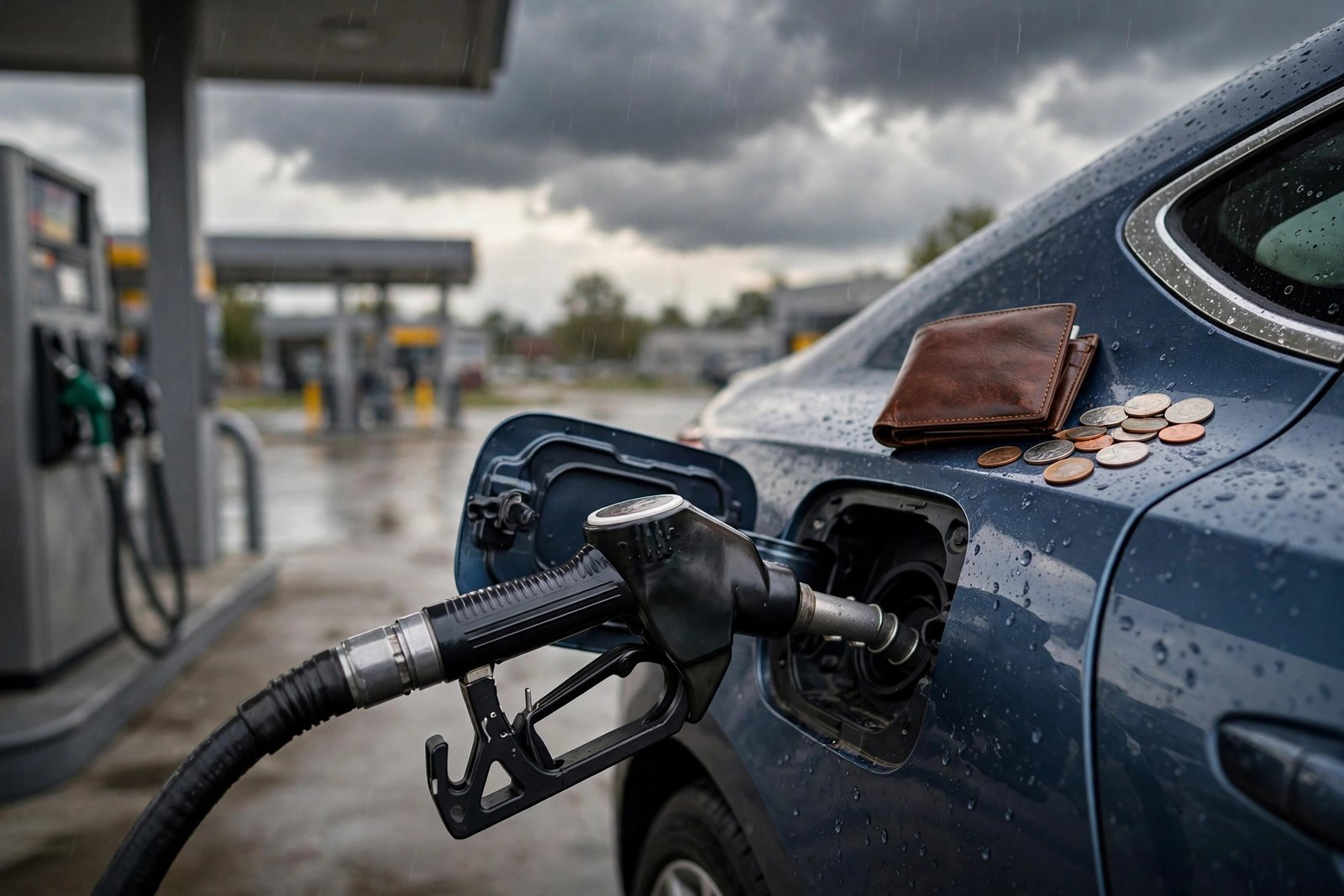
Fuel prices are climbing in country after country, and drivers everywhere are feeling the pinch. With oil prices pushing past $100 a barrel and diesel hitting record highs in many places, filling up the tank has become one of the biggest monthly expenses for families.
The good news? You have more control than you think. Small changes in how you drive and maintain your car can cut fuel costs by 15 to 30 percent. Here are 10 smart, practical ways to save money on fuel starting today.
1. Drive Smoothly — Aggression Burns Fuel
Rapid acceleration and hard braking can increase fuel use by up to 30 percent on highways. Imagine your gas pedal has an egg under it: press gently.
- Accelerate gradually from stops
- Coast toward red lights instead of speeding up to them
- Keep a steady speed — cruise control helps on highways
Smooth driving is the single biggest habit change you can make.
2. Slow Down a Little
Aerodynamic drag increases sharply with speed. Driving at 100 km/h instead of 120 km/h can save roughly 15 percent on fuel. On most trips, the time difference is only a few minutes — but the savings add up fast.
3. Cut the Idling
An idling car burns fuel while going nowhere. If you expect to wait more than 60 seconds — at a school pickup, a drive-through, or a long light — switch the engine off. Modern cars use very little fuel to restart.
4. Keep Tires Properly Inflated
Under-inflated tires create extra rolling resistance, forcing your engine to work harder. Tires just 1 PSI below the recommended level can cut fuel efficiency by about 0.2 percent — and most cars on the road are several PSI low.
Check your tire pressure once a month. The correct numbers are printed on a sticker inside the driver’s door frame, not on the tire itself.
5. Lighten the Load
Every extra 50 kg in your car can increase fuel consumption by around 2 percent. Clean out the trunk: sports gear you are not using, heavy tools, and forgotten shopping bags all cost you money.
Roof boxes and bike racks are even worse — they ruin aerodynamics. Remove them when not in use.
6. Plan and Combine Trips
Cold engines use more fuel. Instead of five short trips across the week, combine errands into one efficient route. Use a map app to plan the shortest loop, and try to travel outside rush hour when traffic is lighter.
7. Use the Right Motor Oil
Using the manufacturer-recommended grade of motor oil can improve fuel economy by 1 to 2 percent. It is a small gain, but it costs nothing extra — just ask for the right oil at your next service.
8. Maintain Your Car Regularly
A poorly maintained car drinks fuel. Pay attention to:
- Air filters: A clogged filter chokes the engine
- Spark plugs: Worn plugs cause incomplete combustion
- Wheel alignment: Misaligned wheels drag and waste energy
- Fuel cap: A loose or cracked cap lets fuel evaporate
Regular servicing pays for itself in fuel savings.
9. Use Air Conditioning Wisely
Air conditioning puts extra load on the engine, especially in stop-and-go traffic. At low speeds, opening windows is more efficient. On the highway, though, open windows create drag — so AC is the better choice above 80 km/h.
Park in the shade when you can. A cooler car needs less AC to become comfortable.
10. Compare Fuel Prices and Use Loyalty Programs
Fuel prices can vary a lot between stations, even on the same street. Use a fuel-price comparison app for your area before filling up. Many stations also offer loyalty cards or app discounts that shave a few percent off every liter.
Key Takeaways
- Smooth, slower driving is the fastest way to save money on fuel.
- Monthly tire checks and regular maintenance protect your mileage.
- Lighten your car, plan trips, and use AC smartly.
- Compare station prices and use loyalty discounts every fill-up.
Frequently Asked Questions
Does cruise control really save fuel? Yes, on flat highways. Cruise control keeps speed steady, avoiding the small accelerations that waste fuel. On hilly roads, though, a skilled driver can beat it by easing off uphill.
Is premium fuel worth the extra cost? Only if your car’s manual specifically requires it. For cars designed for regular fuel, premium offers no meaningful benefit and just costs more.
How much can I realistically save? Most drivers can cut fuel costs by 15 to 25 percent by combining these habits. For someone spending $200 a month on fuel, that is $30 to $50 back in your pocket — every single month.